


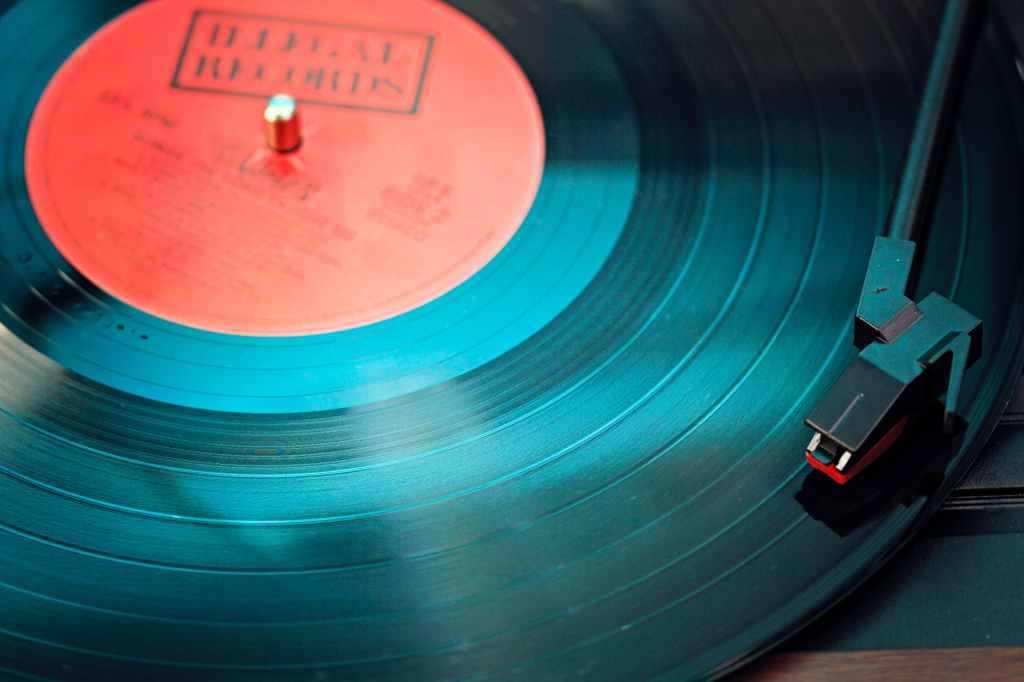
Music is an ever-changing landscape of ideas, creativity, and technology. In one way or another, our lives revolve around it to some degree, and in an era that doesn’t want to slow down, it makes sense that we have made music completely portable.
The digital age has produced unmatched musical convenience. The quality of the sound is good, and with mp3 players and streaming services like Spotify and Pandora, music can be taken virtually anywhere, stuffed in a pocket and ready to go.
As a consequence of storing music digitally, formats like the cassette and even the CD have fallen to the wayside. Yet, one seemingly ‘obsolete’ format has endured: The vinyl record. After a brief dip in popularity during the late 1990s and early 2000s as new digital experiments took hold of the music industry, vinyl has made a surging comeback into the mainstream. More and more bands are electing to release albums on the format, while older acts re-release classic masterpieces to a new generation on the iconic black discs.
A Little History
Invented in the late 19th century, the phonograph record was the culmination of work from several scientists improving on one another, the most famous of which being Thomas Edison. Records are typically named for the revolutions per minute they play at, with the most common being 33 1⁄3 rpm, 45 rpm, and 78 rpm. Throughout the 20th century, records were the dominant recording format, their superior sound quality allowing them to coexist with other recording formats such as 8-track tapes and cassettes which gained popularity for their portability. Originally made from a multitude of substances, shellac was the most common material used to press records until the 1950s, when the more flexible polyvinyl chloride superseded it. This new material also spawned the term “vinyl record.”
Crystal Clear
A large reason for the record’s lasting presence is the unmatched clarity of the recordings. In digital formats data from the song file is lost when the file is compressed. this effectively means that part of the recording is lost. By contrast, no loss of data occurs during the pressing of a record. That means that everything picked up in the recording booth is written into that groove, resulting in one of the clearest audio recordings possible. While some argue that digital formats are cleaner to the ear, their sound is almost sterile when compared to the warmth offered by the phonograph format.

A Collector’s Dream
Each and every one of us is a collector in some way, and records are one of the most popular items for people to snatch up. They run the gamut from common to incredibly rare, cheap to priceless. Finding an obscure title on vinyl is akin to dusting off a piece of music history, and having something like a record jacket that can be held and marveled at as you listen adds impact to the experience of an album.
Record jackets themselves offer a large canvas for the visual aspect of an album, creating innumerable opportunities to add another, visual layer to the album’s message. Some of the resulting artwork is museum worthy, and displaying the masterpieces inked into record jackets has provided the proper atmosphere to the hazy depths of listening pits for decades.
The Novelty of it
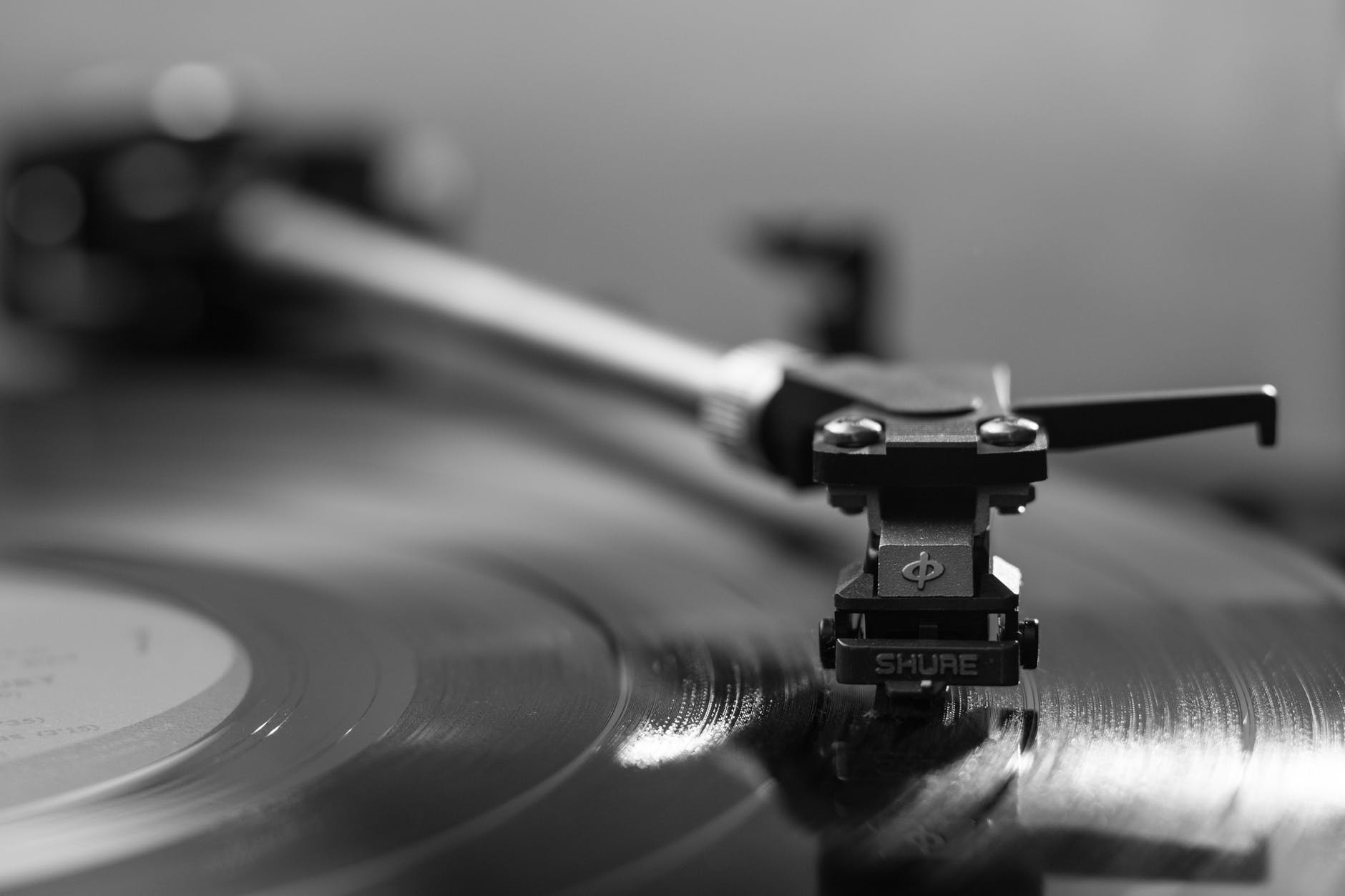
More than anything, listening to vinyl is fun. The entire process of sorting through a collection and finding the perfect soundtrack for the next hour or so, dropping the needle into the groove and letting warm sound paint the room is an experience that is hard to replicate with bluetooth speakers and Tidal playlists. In terms of portability, it isn’t convenient. For today’s modern song-skipper, it is less than ideal. But with vinyl, every listening session becomes an event not to be missed. It’s this kind of magic that has kept the vinyl record market alive and well long after being eclipsed by modern audio practices, and what will continue to keep it alive for decades to come.
 Welcome to the online portfolio of Tilsen Mulalley.
Leave a comment