


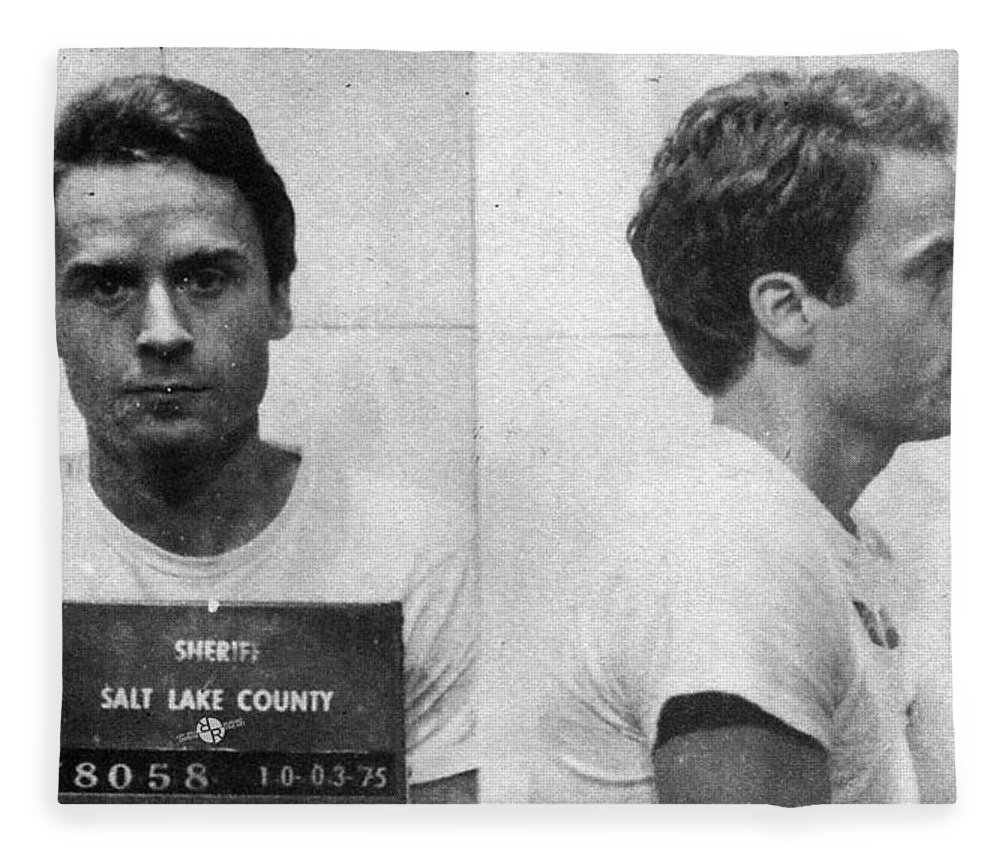
In the four year period between 1974 and 1978, Theodore Robert Bundy, Ted to his friends, brutally raped and murdered at least 30 women, and probably more. Bundy denied the allegations for more than a decade, proclaiming his innocence and even representing himself briefly in court, before admitting to the bloodbath left in his wake. He was executed at the age of 42 via electric chair in 1989.
With his death, Bundy ended one of the most vile, curious, and sensationalized crime sprees in United States history.
Several days ago, the trailer for the Ted Bundy biopic Extremely Wicked, Shockingly Evil and Vile was released. It was flashy, edgy, and featured a decidedly more mature Zac Efron doing an unsettlingly on the dot impression of the infamous serial killer: charisma, looks and all.
Yet, there has been some surprising backlash to the film’s preview. A number of people are upset with the idea that the film is not only glorifying Bundy, but is effectively turning him into a sex symbol. Indeed, Efron’s Bundy seems to have a witty bit of dialogue each time he’s on screen, almost granting him a likeable aspect. Other scenes in the trailer depict Bundy with his family members, and paint the infamous killer as downright tender. Coupled with slick camera shots and angles, the onscreen Bundy has qualities more akin to the protagonist of a stylized thriller than that of a remorseless killer. Some have likened this to the idea that the filmmakers are making an attempt at portraying the infamous murderer in a positive light.
This isn’t necessarily true, however. At the time of the murders, Bundy did not fit the typical serial killer profile; indeed, despite a few exceptions the notion of a serial killer was a relatively new idea in the 1970s. The few examples in the past, such as New York’s Albert Fish, were social outcasts that came from hard, harsh lives.
Despite being a suspect early on in the investigations, evidence against Bundy was lackluster at best. He did not come from what would be considered a ‘bad home,’ he was well liked and described in his youth as “a medium-sized fish in a large pond.” Despite anti-social and strange tendencies as a child, these issues were not looked into at the time. He attended law school, worked for a suicide hotline, and though he never allowed people to get to close, was known to be friendly and approachable. His dark tendencies were kept under strict lock and key, and the charming Bundy was the last man anyone would suspect of committing such brutal crimes, especially in a place like the Pacific Northwest during the 1970s. His own long-time girlfriend Elizabeth Kloepfer admitted that Bundy displayed no signs that he was capable of such crimes.
One could argue that this is what the film is struggling to emulate. During the time of the trials, in which Bundy represented himself, many people believed that Bundy was innocent. He had a magnetism to him akin to cult leaders like Manson, packaged in a more refined, public-friendly wrapper. The filmmakers took the idea that somebody as monstrous, unfeeling, and evil as Ted Bundy could effectively pull the shade over the public’s eyes, and attempting to recreate that feeling in the film. People often forget that Ted Bundy was a man; an evil, sadistic, monster of a man, yes, but a man, and examining his other qualities as well as his crimes paints a more complete picture of one of America’s most infamous killers.
Another element of the film that may lend to Efron’s portrayal of the killer is that the story is told from the perspective of Kloepfer, who as mentioned earlier was unaware of Bundy’s murderous predilections. Telling a story From someone like Kloepfer’s perspective would naturally lead to showing other facets of Bundy’s life, effectively attempting to show the true person behind the crimes.
One could argue that a film portraying the life of a brutal killer is wrong in its own sense. But, films are an artistic medium designed to cater to an audience’s wants, and the fact remains that there is an audience for both true crime and dramatizations of it. The film will almost certainly embellish the timeline, but it is another door into the mind of one of the most notorious killers in history, and the twisted nature of manipulation and deceit that he cultivated inside of himself and projected onto an unsuspecting public.
Bundy was a killer and not a man to be pitied; people are simply fascinated by a good monster story.
 Welcome to the online portfolio of Tilsen Mulalley.
Leave a comment